 Stephen Geller Katz LCSW-R
Misophonia Cognitive Retraining Therapy
 Stephen Geller Katz LCSW-R
Misophonia Cognitive Retraining Therapy

Misophonia Cognitive Retraining Therapy, as featured on the MTV True Life episode: “I Have Misophonia” premiering Friday, December 16th, 7:00 PM EST. See Clip >
|
|
|
| Moderate to severe anxiety triggered by chewing sounds, including: | ||
|
|
|
You may also be affected by visual stimuli, such as repetitive foot or body movements, fidgeting or movement you observe out of the corners of their eyes. Intense anxiety, rage and avoidant behavior may develop as a result of misophonia.
 * Do you feel your family and friends don’t understand how much you suffer?
* Do you often feel you can just suffer through a social event where there is eating present only to find that you must “escape” before you have a panic attack?
* Do you find that some people are at first understanding and make some efforts not to make the triggering sounds in front of you, but soon forget and constantly have to be reminded, causing you to feel angry, anxious and depressed?
* Are you avoiding social activities that you enjoy because of the misophonia?
* Are you fearful of losing your job and/or is the misophonia effecting your job performance?
You may be a candidate for Misophonia Cognitive Retraining Therapy, or MCRT.
Stephen Geller Katz, LCSW-R, with over 20 years of clinical experience, a New York University graduate, developed Misophonia Cognitive Retraining Therapy and founded Misophonia Cognitive Center™ in response to the growing number of people with Misophonia coming to his private practice from audiologists and ENTs. He discovered that by helping people to retrain and reinterpret the thoughts around their Misophonia, anxiety and depression symptoms began to improve. But even more important so did the Misophonic trigger response.
 Translating misophonia research from the lab to real-world treatment has become one of the most exciting developments in the field of sound sensitivity disorders. Over the past decade, scientific research has dramatically expanded our understanding of misophonia, moving it from a poorly understood condition to one supported by growing neurological and psychological evidence. Today, researchers and clinicians are working together to transform these laboratory discoveries into practical therapies that help people manage trigger sounds, reduce emotional distress, and improve their quality of life.
For many years, misophonia received little scientific attention. Individuals experiencing intense reactions to sounds such as chewing, breathing, keyboard typing, or pen clicking were often misunderstood or misdiagnosed. Many were told they were simply overly sensitive or anxious.
Today, research has demonstrated that misophonia is much more complex. Scientists now recognize that the condition involves abnormal communication between the brain’s auditory processing centers and regions responsible for emotion, attention, and threat detection.
This shift has helped validate the experiences of countless individuals while encouraging the development of more specialized treatment approaches.
Brain imaging studies have provided valuable insight into why certain sounds trigger such intense reactions.
Research has shown increased activity in several important brain regions, including:
These discoveries support the understanding that misophonia is rooted in neurological processing rather than simply being a behavioral or personality issue.
Scientific discoveries become meaningful only when they improve patient care. Researchers have used these neurological findings to develop treatment strategies that target the underlying mechanisms responsible for misophonia rather than simply managing symptoms.
Modern treatment focuses on helping individuals:
These goals reflect a shift from symptom management toward long-term neurological adaptation.
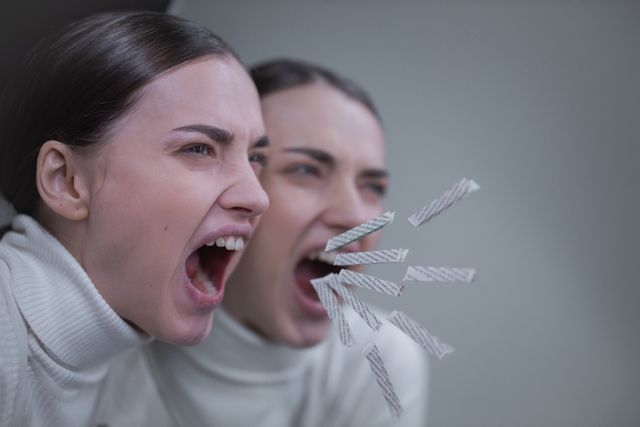
One of the most researched treatments for misophonia is Cognitive Behavioral Therapy (CBT). Research suggests that CBT helps patients recognize thought patterns that intensify emotional reactions while teaching practical coping strategies.
Treatment often includes:
Although CBT does not eliminate trigger sounds, it helps individuals respond to them with greater control and less emotional distress.
Building upon traditional cognitive approaches, Cognitive Retraining Therapy has emerged as a specialized treatment specifically designed for misophonia. This approach integrates several evidence-informed techniques into a comprehensive treatment program.
Components may include:
The objective is to gradually retrain the brain so that trigger sounds no longer activate an exaggerated emotional response.
One of the greatest achievements of recent research is demonstrating that the brain remains capable of change throughout life. This concept, known as neuroplasticity, provides the scientific foundation for many modern treatment approaches.
Therapy seeks to strengthen healthier neural pathways while weakening the conditioned associations that have developed between certain sounds and intense emotional reactions.
Over time, many individuals experience:
Although research continues to identify common neurological patterns, no two people experience misophonia in exactly the same way. Effective treatment considers each individual’s:
Individualized care allows treatment plans to be adjusted as progress occurs, maximizing long-term success.
Research continues to move rapidly. Scientists are investigating new areas including artificial intelligence-assisted sound filtering, digital therapeutic platforms, virtual reality exposure programs, neurofeedback, and non-invasive brain stimulation. While many of these innovations remain under investigation, they reflect the growing recognition of misophonia as a legitimate neurological condition deserving continued scientific attention.
As knowledge expands, future treatments will likely become even more personalized, combining neuroscience, psychology, technology, and behavioral medicine into comprehensive care models.
From lab to life translating misophonia research into real-world treatment represents an important milestone for individuals living with this challenging condition. Scientific discoveries are no longer confined to research laboratories—they are now guiding practical therapies that help people better understand their symptoms, retrain their emotional responses, and regain confidence in everyday situations. As research continues to advance, the future of misophonia treatment becomes increasingly hopeful, offering evidence-based solutions that can lead to meaningful and lasting improvements.
MISOPHONIA COGNITIVE CENTER™
Stephen Geller Katz LCSW-R
19 West 34th Street
Penthouse Floor
New York, NY 10001
646-585-2251
 Pediatric misophonia early detection and intervention strategies for kids can make a significant difference in a child’s emotional well-being, academic success, and social development. Misophonia often begins during late childhood or early adolescence, yet many children go undiagnosed because their symptoms are mistaken for behavioral problems, anxiety, or defiance. Recognizing the early warning signs and implementing appropriate intervention strategies can help children develop healthy coping skills before the condition begins to interfere with everyday life.
Misophonia is a neurological condition in which specific sounds trigger intense emotional and physical reactions. In children, these reactions may appear sudden, confusing, and disproportionate to the situation. Common trigger sounds include chewing, sniffing, breathing, pen clicking, keyboard typing, throat clearing, and repetitive tapping.
Unlike ordinary annoyance, the response to these sounds is involuntary. A child with misophonia is not choosing to become upset. Instead, the brain interprets certain sounds as emotionally significant or threatening, activating a rapid stress response.
Although misophonia can affect individuals of any age, symptoms often first appear between the ages of 8 and 13. Many parents notice subtle behavioral changes long before they recognize the condition itself.
Early symptoms may gradually become more noticeable as children spend more time in structured environments such as classrooms, cafeterias, extracurricular activities, and family meals.
Because awareness of pediatric misophonia continues to grow, many children who were once labeled as overly sensitive or oppositional are now receiving more accurate evaluations and treatment.
The signs of pediatric misophonia can vary from child to child, but several behaviors commonly appear during the early stages.
Children often struggle to explain why these sounds bother them, making it difficult for parents and teachers to understand what is happening.
Without appropriate intervention, misophonia can affect multiple aspects of a child’s life.
Classrooms contain numerous repetitive sounds that may trigger symptoms, including pencil tapping, keyboard typing, coughing, page turning, and whispering. These distractions can interfere with concentration, learning, and test performance.
Children with misophonia may begin avoiding birthday parties, sleepovers, school lunches, or family gatherings because of anticipated trigger sounds. Over time, this avoidance can lead to loneliness and social isolation.
Family meals often become particularly challenging. Parents may mistakenly believe the child is being disrespectful or overly dramatic when they become upset during dinner. This misunderstanding can create frustration for everyone involved.
Living with constant anticipation of trigger sounds can increase stress and contribute to:
Early support can help reduce these secondary emotional consequences.
There is currently no laboratory test or brain scan that diagnoses misophonia. Instead, evaluation involves a detailed assessment of symptoms, trigger patterns, emotional responses, developmental history, and daily functioning.
A clinician experienced in treating misophonia will often explore:
A comprehensive evaluation helps distinguish misophonia from other sensory or behavioral conditions that may share similar features.
Early intervention focuses on helping children understand their condition while teaching practical skills for managing trigger responses.
Effective strategies often include:
Early intervention often produces better long-term outcomes because children’s brains are highly adaptable during development.
Parents play an important role in supporting children with misophonia. Small changes at home can make a meaningful difference.
Children benefit greatly when they feel understood rather than judged.
Teachers and school staff can become valuable partners in helping children succeed.
Possible accommodations include:
These accommodations often reduce anxiety while allowing children to remain fully engaged in learning.
Because misophonia is still relatively unfamiliar to many healthcare providers, working with a clinician who specializes in the condition can make a substantial difference. Treatment approaches such as Cognitive
Behavioral Therapy, Cognitive Retraining Therapy, emotional regulation training, and mindfulness-based interventions can be adapted specifically for children and adolescents.
With early diagnosis, appropriate support, and individualized treatment, many children learn to better manage trigger sounds, improve emotional regulation, and participate more fully in school, family life, and social activities.
Pediatric misophonia early detection and intervention strategies for kids offer families hope that this condition can be successfully managed. Early recognition allows children to develop healthy coping skills before avoidance, anxiety, and emotional distress become deeply ingrained. Through education, family support, school accommodations, and specialized therapy, children with misophonia can gain confidence, strengthen emotional resilience, and enjoy a higher quality of life.
MISOPHONIA COGNITIVE CENTER™
Stephen Katz LCSW
646-598-2251
Online sessions
Multi-lingual
Digital tools and AI sound filtering for misophonia relief are changing the way individuals manage sound-triggered distress in everyday life. Advances in artificial intelligence, digital audio processing, wearable technology, and mobile applications are making it easier than ever to reduce exposure to trigger sounds without completely disconnecting from the world. While these technologies are not a cure for misophonia, they can serve as valuable tools when combined with evidence-based therapies to improve comfort, reduce stress, and enhance quality of life.
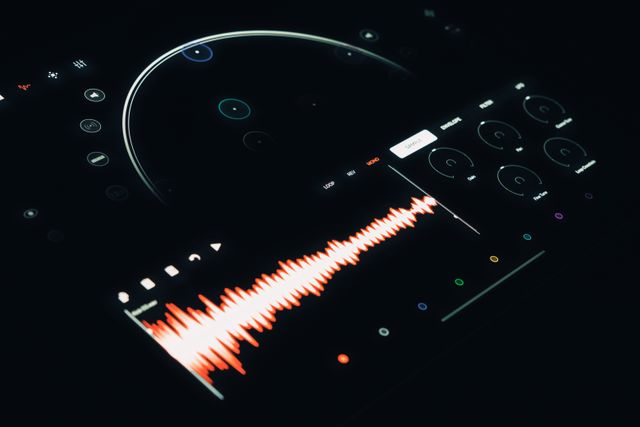
For individuals with misophonia, ordinary sounds such as chewing, keyboard typing, pen clicking, sniffing, or heavy breathing can provoke intense emotional reactions. These reactions are often immediate and may include anger, anxiety, panic, disgust, or an overwhelming urge to escape.
Many people attempt to cope by avoiding restaurants, family gatherings, offices, classrooms, or other environments where trigger sounds are common. Unfortunately, complete avoidance often reinforces sound sensitivity over time and can negatively affect relationships, careers, and emotional well-being.
Digital technologies are providing new ways to reduce exposure while allowing individuals to remain engaged in everyday activities.
Artificial intelligence has dramatically improved audio processing technology. Unlike traditional noise reduction, which simply lowers overall sound levels, AI-powered sound filtering can identify specific types of sounds and selectively reduce or suppress them while allowing other important sounds to remain audible.
Modern AI systems analyze sound in real time by recognizing patterns, frequencies, and acoustic characteristics.
This allows them to distinguish between:
As machine learning algorithms continue to improve, these systems become more accurate at identifying and filtering distracting sounds.
Active noise-canceling headphones remain one of the most widely used tools among individuals with misophonia. Recent technological improvements have made these devices more effective than ever.
Newer systems can:
While they may not eliminate every trigger sound, they often reduce overall auditory stress and provide meaningful relief during travel, work, or study.
Mobile applications designed for sound therapy have become increasingly sophisticated. Rather than simply playing white noise, many apps now allow users to customize sound environments based on individual preferences.
Popular sound options include:
These background sounds help reduce the contrast between silence and trigger noises, making unwanted sounds less noticeable.
Wearable devices are also becoming valuable tools for individuals with misophonia. Smart earbuds and hearing devices can combine several technologies into a single platform.
Modern wearable features may include:
These innovations allow users to remain socially engaged without completely blocking out the world around them.
AI is contributing to misophonia management in ways beyond audio processing.
Researchers are exploring AI-powered tools that may help:
These technologies have the potential to make treatment more individualized and data-driven.
Although digital technology can significantly improve daily comfort, it should not replace professional treatment. AI sound filtering primarily manages the environment, while therapy focuses on changing the brain’s emotional response to trigger sounds.
Many clinicians recommend combining digital tools with therapies such as:
This combined approach addresses both immediate symptom management and long-term neurological adaptation.
Despite impressive advances, AI sound filtering is not perfect. Several challenges remain:
For these reasons, technology should be viewed as one component of a comprehensive treatment strategy.
The future looks promising as artificial intelligence continues to evolve. Researchers are developing smarter algorithms capable of recognizing increasingly subtle sound patterns while integrating physiological monitoring and personalized therapeutic recommendations.
Future innovations may include wearable systems that automatically detect rising stress levels, adjust sound filtering in real time, and even recommend calming exercises before emotional reactions escalate. These developments could significantly improve independence and daily functioning for people living with misophonia.
Digital tools and AI sound filtering for misophonia relief offer exciting new opportunities to reduce daily stress and improve quality of life. While technology can make trigger sounds more manageable, lasting improvement often comes from combining these innovations with specialized therapeutic treatment that addresses the underlying neurological and emotional responses to sound.
MISOPHONIA COGNITIVE CENTER™
Stephen Geller Katz
646-585-2251
 Treating misophonia co-occurring disorders such as emotional dysregulation, anxiety along with misophonia is an important focus of modern misophonia care because many individuals experience more than sound sensitivity alone. Misophonia frequently exists alongside anxiety disorders, emotional regulation difficulties, obsessive thinking, or depression, making comprehensive treatment essential. Rather than treating each condition in isolation, clinicians are increasingly recognizing the benefits of an integrated approach that addresses the neurological, emotional, and behavioral aspects of these interconnected conditions.
Emotional dysregulation refers to difficulty managing emotional responses in a way that is appropriate for the situation. Everyone experiences frustration or anxiety from time to time, but individuals with emotional dysregulation often experience emotions that are stronger, last longer, and are more difficult to control.
For someone with misophonia, a seemingly harmless sound can immediately trigger:
These reactions occur rapidly and often feel involuntary, leaving the individual emotionally exhausted.
Anxiety is one of the most common conditions that co-occurs with misophonia. In many cases, the anxiety develops not only from hearing trigger sounds but also from anticipating them.
Individuals may begin to worry about situations where triggers are likely to occur, such as:
This anticipatory anxiety often leads to avoidance behaviors, which may provide temporary relief but ultimately reinforce both anxiety and misophonia over time.
Misophonia, anxiety, and emotional dysregulation frequently interact in ways that strengthen one another. A trigger sound may initiate an emotional response, which increases anxiety, which then heightens awareness of future triggers.
This cycle often follows a predictable pattern:
Breaking this cycle is one of the primary goals of treatment.
Many people with misophonia experience symptoms beyond sound sensitivity alone. These may include:
Recognizing these additional symptoms allows treatment to address the full picture rather than focusing only on trigger sounds.
The most effective treatment plans address both misophonia and co-occurring emotional conditions simultaneously.
Common therapeutic approaches include:
When these methods are combined, many individuals experience improvements not only in their response to sounds but also in their overall emotional well-being.
Learning emotional regulation skills can significantly improve daily functioning. These skills help individuals recognize emotional escalation before it becomes overwhelming.
Useful techniques include:
These strategies do not eliminate trigger sounds, but they help reduce the intensity of the body’s automatic stress response.
Every person with misophonia has a unique combination of triggers, emotional responses, and life experiences. Some individuals struggle primarily with anxiety, while others experience depression, obsessive thinking, or difficulty regulating anger.
An individualized treatment plan considers:
This personalized approach produces more meaningful and lasting improvements than treating symptoms individually.
Treating misophonia co-occurring disorders such as emotional dysregulation and anxiety requires a comprehensive approach that addresses the interaction between sound sensitivity, emotional processing, and mental health. By combining evidence-based therapies with emotional regulation training and individualized treatment planning, many people can significantly reduce trigger reactions, improve emotional resilience, and regain confidence in everyday situations.
MISOPHONIA COGNITIVE CENTER™
Stephen Katz LCSW
646-598-2251
Online sessions
Multi-lingual
Designing effective exposure and sound retraining programs for misophonia is essential for reducing the intensity of emotional reactions to trigger sounds and improving daily functioning. Misophonia is driven by learned associations between specific sounds and strong emotional responses such as anger, anxiety, or panic. Exposure and sound retraining programs aim to gradually weaken these associations by helping the brain reinterpret trigger sounds in a controlled and structured way.

The goal of exposure and sound retraining is not to eliminate trigger sounds, but to reduce the brain’s automatic emotional response to them. Avoidance may provide short-term relief, but it reinforces sensitivity over time. Carefully designed exposure programs help retrain neural pathways so that previously distressing sounds become more tolerable.
This process relies on neuroplasticity—the brain’s ability to form new connections and reduce the strength of conditioned responses.
Successful misophonia exposure programs follow several core principles to ensure safety, consistency, and long-term progress:
Without these elements, exposure can feel overwhelming and may actually strengthen negative reactions rather than reduce them.
Designing a structured program involves several stages that build on each other:
This step-by-step approach ensures that progress is steady and sustainable.
Sound retraining focuses on reducing the salience of trigger sounds by altering how they are perceived and processed. This often includes:
These techniques help decrease the perceived threat level of trigger sounds.
Exposure alone is not enough for many individuals. Integrating cognitive strategies enhances effectiveness by addressing the thought patterns that amplify emotional reactions.
This combined approach ensures that both neurological and psychological components are addressed.
Effective programs are dynamic and adapt to the individual’s progress. Tracking changes in emotional intensity, frequency of reactions, and tolerance levels helps guide adjustments.
Signs of improvement may include:
If progress stalls, adjustments in pacing, techniques, or support strategies may be needed.
Designing effective exposure and sound retraining programs for misophonia requires expertise to ensure the process is gradual, safe, and effective. Without proper guidance, exposure can be too intense or improperly structured, leading to increased distress.
Working with a trained professional ensures that:
Over time, consistent exposure and retraining can significantly reduce the brain’s automatic reaction to trigger sounds. The goal is not complete elimination of discomfort, but meaningful reduction in intensity and improved control over responses.
With a well-designed program, individuals can regain confidence in social, work, and everyday environments, improving overall quality of life.
MISOPHONIA COGNITIVE CENTER™
Stephen Geller Katz
646-585-2251
Genetics, environment and brain wiring the etiology of misophonia explained is a critical topic for understanding why certain individuals develop intense emotional reactions to everyday sounds. Misophonia is increasingly recognized as a condition rooted in the interaction between biological predisposition, life experiences, and neural processing patterns.
Rather than having a single cause, misophonia appears to emerge from multiple overlapping factors that shape how the brain interprets and reacts to sound.
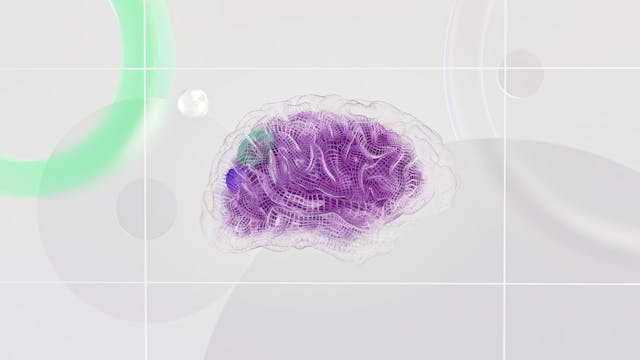
While research is still evolving, early findings suggest that genetics may play a role in predisposing individuals to misophonia. Many patients report that close family members have similar sensitivities to sound, pointing toward a possible hereditary component.
Genetic influence may contribute to:
Although no single “misophonia gene” has been identified, inherited traits related to anxiety, sensory processing, and emotional regulation may increase susceptibility.
Environmental factors also play a significant role in the development of misophonia. Many individuals can trace their trigger responses back to specific experiences where a sound became associated with discomfort, stress, or emotional conflict.
Key environmental contributors may include:
These learned associations can strengthen neural pathways, making trigger responses more automatic and intense.
Advances in brain imaging have revealed that misophonia involves distinct patterns of neural activity and connectivity. The condition is closely linked to how the brain integrates auditory input with emotional processing.
Important neurological findings include:
These neural patterns explain why misophonia reactions feel immediate, involuntary, and difficult to control.
Misophonia does not arise from one factor alone—it is the result of interaction between genetic predisposition, environmental learning, and brain structure.
This interaction can be understood as:
Over time, this cycle becomes self-reinforcing, leading to increasingly intense trigger responses.
Understanding the etiology of misophonia has important implications for treatment. Because the condition involves both learned responses and neural circuitry, effective therapy focuses on retraining the brain rather than simply avoiding triggers.
Treatment approaches may include:
These methods leverage neuroplasticity—the brain’s ability to change and adapt—to weaken the connection between sound and emotional distress.
Genetics, environment and brain wiring the etiology of misophonia explained provides a comprehensive framework for understanding this condition. Recognizing that misophonia is shaped by multiple interacting factors helps reduce stigma and supports more targeted, effective treatment strategies.
As research continues to advance, this integrated perspective offers hope for improved interventions and a better quality of life for individuals living with misophonia.
MISOPHONIA COGNITIVE CENTER™
Stephen Geller Katz
646-585-2251
 Misophonia vs hyperacusis understanding overlapping and distinct mechanisms is essential for accurately diagnosing and treating sound sensitivity disorders. While both conditions involve heightened reactions to sound, they differ significantly in how the brain processes auditory input and emotional responses. Misophonia is primarily an emotional and behavioral reaction to specific trigger sounds, whereas hyperacusis is a heightened sensitivity to the volume or intensity of sound itself. Understanding these differences helps guide effective treatment strategies.
Misophonia is a condition where certain sounds—often repetitive, human-generated noises like chewing, breathing, or tapping—trigger intense emotional reactions. These responses can include anger, anxiety, panic, or disgust and are often immediate and involuntary.
Unlike general sound sensitivity, misophonia is selective. The same sound that triggers one individual may not affect another, and the emotional response is often tied to learned associations or neurological processing patterns.
Hyperacusis is a condition characterized by an increased sensitivity to everyday sounds, particularly in terms of volume. Sounds that are considered normal or tolerable for most people—such as traffic noise, conversation, or household appliances—can feel uncomfortably loud or even painful.
This condition is typically linked to auditory processing rather than emotional interpretation. Individuals with hyperacusis often describe physical discomfort rather than anger or emotional distress.
Despite their differences, misophonia and hyperacusis can share certain features:
In some cases, individuals with hyperacusis may also develop emotional responses to specific sounds over time, blurring the distinction between the two conditions.
Research suggests that misophonia involves increased connectivity between the auditory cortex and emotional processing regions such as the amygdala and anterior insular cortex. This leads to rapid emotional escalation when trigger sounds are detected.
In contrast, hyperacusis is thought to involve increased central auditory gain, where the brain amplifies sound signals beyond normal levels. This results in sounds being perceived as excessively loud or painful.
Differentiating between misophonia and hyperacusis is crucial because treatment approaches differ:
Misdiagnosis can lead to ineffective treatment and prolonged distress, making professional evaluation important.
Misophonia vs hyperacusis understanding overlapping and distinct mechanisms allows clinicians to provide more targeted and effective care. While both conditions involve sound sensitivity, they operate through different neurological pathways and require different treatment strategies.
With ongoing research and growing awareness, individuals experiencing sound sensitivity can access more accurate diagnoses and evidence-based treatments, leading to improved quality of life.
MISOPHONIA COGNITIVE CENTER™
Stephen Geller Katz LCSW-R
646-585-2251
Neurostimulation and innovative interventions for misophonia is an emerging area of research that is reshaping how scientists and clinicians approach treatment for this complex sound sensitivity condition. While traditional therapies such as cognitive behavioral therapy remain foundational, new experimental approaches are targeting the brain directly, offering potential breakthroughs for individuals who have not responded fully to conventional methods.
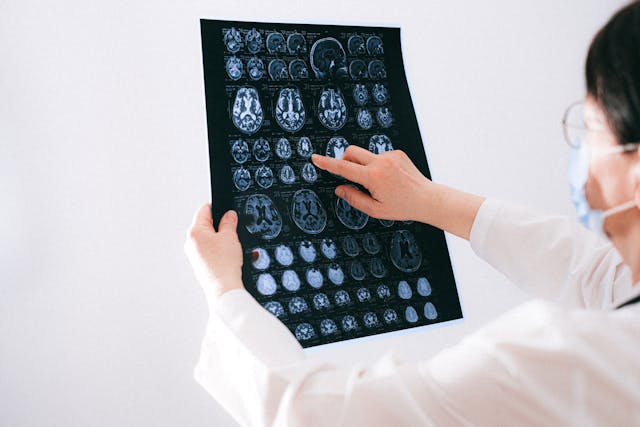
Misophonia is increasingly understood as a neurological condition involving abnormal activation and connectivity between auditory processing areas and emotional regulation centers. Brain imaging studies have shown heightened responses in regions such as the anterior insular cortex and amygdala when individuals are exposed to trigger sounds.
Because these responses are rooted in neural circuitry, researchers are investigating whether direct modulation of brain activity could reduce the intensity of emotional reactions. This has led to growing interest in neurostimulation techniques and other innovative interventions.
Neurostimulation refers to the use of targeted electrical or magnetic stimulation to influence brain activity. These techniques are already used in conditions such as depression, anxiety, and chronic pain, making them a natural area of exploration for misophonia treatment.
Some of the key neurostimulation methods currently being studied include:
These approaches aim to reduce hyperreactivity in the neural circuits responsible for misophonia triggers.
Although research is still in early stages, preliminary trials are beginning to show promising results. Current studies are exploring how neurostimulation affects both emotional reactivity and sensory processing in misophonia patients.
Early observations suggest:
However, larger and more controlled studies are needed before these treatments become widely available.
In addition to neurostimulation, researchers are investigating several other cutting-edge approaches to misophonia treatment:
These interventions reflect a growing shift toward personalized and technology-driven treatment models.
While these innovations are exciting, they are not without limitations. Neurostimulation and experimental therapies are still undergoing testing, and several challenges remain:
For now, these approaches are considered complementary to established therapies rather than standalone solutions.
Even as new interventions are being developed, therapies such as Cognitive Behavioral Therapy and Cognitive Retraining Therapy remain central to misophonia treatment. These approaches focus on retraining the brain’s interpretation of trigger sounds and building emotional regulation skills.
Innovative treatments may eventually enhance these methods by targeting the neurological pathways more directly, creating a more comprehensive and effective treatment model.
Neurostimulation and innovative interventions for misophonia what’s in trials represent an exciting frontier in research. As scientists continue to explore the brain mechanisms behind misophonia, new treatment options may become available that offer faster and more targeted relief.
For individuals living with misophonia, these developments signal a shift toward greater understanding, validation, and hope for long-term improvement.
MISOPHONIA COGNITIVE CENTER™
Stephen Geller Katz
646-585-2251
Metacognitive and third-wave therapies in misophonia new case studies are expanding how clinicians understand and treat this complex sound sensitivity condition. As research evolves beyond traditional behavioral models, newer therapeutic approaches are showing promise in helping individuals manage trigger responses, emotional reactivity, and the psychological distress that often accompanies misophonia. These emerging case studies highlight how addressing thought processes and emotional flexibility—rather than just the sounds themselves—can lead to meaningful improvement.

Third-wave therapies refer to modern cognitive-behavioral approaches that focus less on changing the content of thoughts and more on changing the relationship individuals have with those thoughts. These therapies emphasize acceptance, mindfulness, and metacognitive awareness.
Common third-wave approaches include:
For misophonia, these models are particularly relevant because the condition involves heightened emotional responses fueled by automatic threat interpretations.
Metacognitive therapy focuses on how individuals relate to their thoughts rather than the specific thoughts themselves. In misophonia, people often experience repetitive thinking patterns such as:
Metacognitive therapy works to:
Recent case studies show that reducing obsessive focus on trigger anticipation significantly lowers emotional intensity.
Emerging clinical reports indicate promising results when third-wave therapies are integrated into misophonia treatment. While large-scale randomized trials are still developing, smaller case studies reveal several important outcomes:
These improvements suggest that misophonia is not solely a sound-processing issue but also involves cognitive and emotional regulation patterns that can be retrained.
Traditional cognitive-behavioral therapy often focuses on restructuring distorted thoughts. Third-wave therapies shift the emphasis toward acceptance and detachment from automatic mental reactions.
In misophonia treatment, this distinction matters because:
By cultivating non-reactive awareness, individuals gradually weaken the brain’s automatic threat associations.
Many clinicians now combine traditional cognitive retraining with third-wave strategies. An integrated approach may include:
This blended model addresses both the neurological and psychological components of misophonia.
Metacognitive and third-wave therapies in misophonia new case studies are helping shift the field toward more comprehensive treatment models. As research continues to grow, these approaches may become central to evidence-based protocols.
Understanding misophonia as a condition involving attention, emotional salience, and cognitive patterns allows clinicians to design interventions that target multiple systems simultaneously. For individuals living with misophonia, these developments offer new hope for sustainable symptom reduction and improved quality of life.
MISOPHONIA COGNITIVE CENTER™
Stephen Geller Katz
646-585-2251
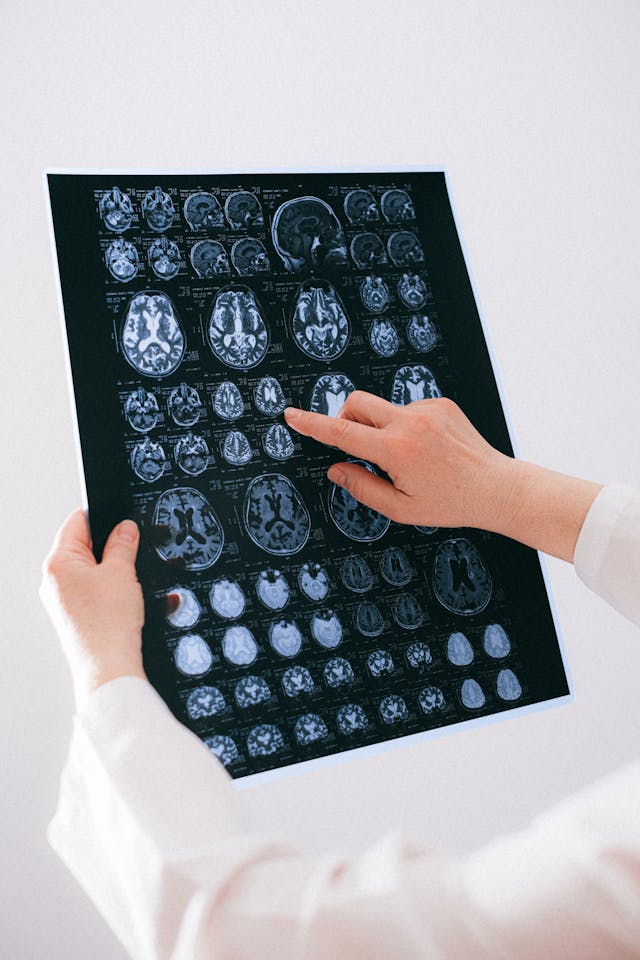 Neurological insights about misophonia from brain imaging studies are transforming how researchers and clinicians understand this complex sound sensitivity condition. Once dismissed as simple irritability or overreaction, misophonia is now being examined through advanced neuroimaging technologies that reveal measurable differences in brain structure and function. These discoveries are reshaping treatment approaches and validating the lived experiences of those affected.
Misophonia is characterized by intense emotional reactions—such as anger, anxiety, panic, or disgust—to specific trigger sounds like chewing, breathing, tapping, or pen clicking. Unlike general sound sensitivity, misophonia reactions are selective and deeply emotional. Brain imaging studies suggest that the condition involves altered neural processing pathways that link sound perception to emotional and threat-related responses.
Rather than simply hearing a sound, the misophonic brain appears to assign exaggerated emotional significance to certain auditory stimuli.
Functional MRI (fMRI) and other neuroimaging tools have identified several brain areas that show abnormal activation in individuals with misophonia:
These findings demonstrate that misophonia is not a behavioral choice but a neurologically mediated response pattern.
One of the most significant discoveries in misophonia research is increased connectivity between auditory regions and emotional centers. Brain imaging shows that trigger sounds activate emotional processing areas much more strongly than neutral sounds.
In people without misophonia, repetitive chewing or tapping sounds are filtered and categorized as background noise. In contrast, individuals with misophonia experience:
This abnormal connectivity helps explain why reactions feel immediate and uncontrollable.
Brain imaging also supports the idea that misophonia activates the sympathetic nervous system. Trigger sounds can stimulate a cascade of stress hormones and physiological changes associated with perceived threat.
Common responses include:
From a neurological standpoint, the brain interprets certain sounds as danger cues—even though they are objectively harmless.
Understanding the neurological basis of misophonia has important therapeutic implications. Because the condition involves maladaptive neural pathways, treatment focuses on retraining the brain’s response to triggers.
Therapies informed by neuroscience may include:
By leveraging the brain’s natural ability to form new neural connections, these treatments aim to reduce the intensity of trigger responses over time.
Brain imaging research provides powerful validation: misophonia is not simply “being overly sensitive.” It reflects measurable differences in how the brain processes sound and emotion. This scientific understanding reduces stigma and supports the development of targeted, effective treatments.
As neurological research continues, clinicians are better equipped to design interventions that address both emotional regulation and sound processing mechanisms. For those living with misophonia, these insights offer hope grounded in science.
MISOPHONIA COGNITIVE CENTER™
Stephen Geller Katz LCSW-R (Bio)
646-585-2251